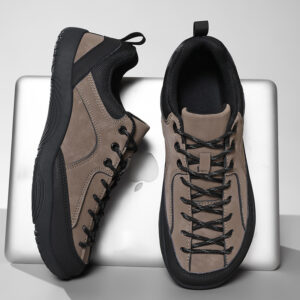
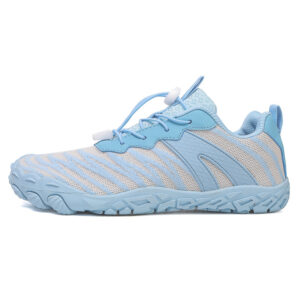
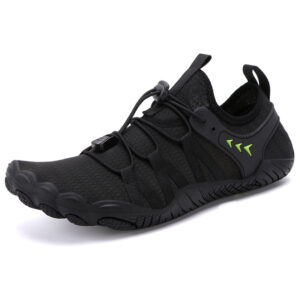
THE BAREWALKER RANGE
European-designed barefoot shoes
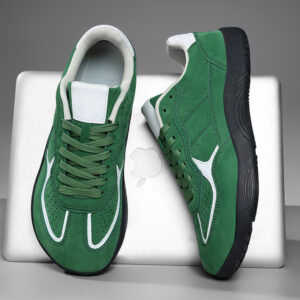
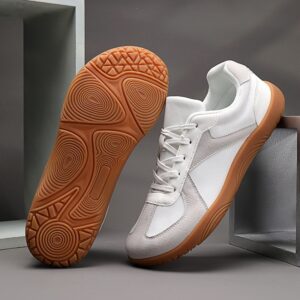
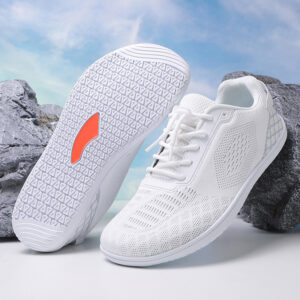
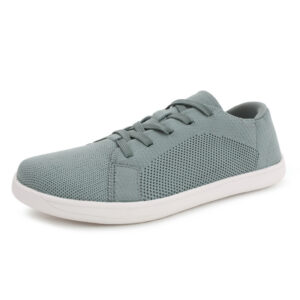
Five models, one idea: zero drop, wide toe box and a flexible sole so you can walk the way you were built to. Choose by use, not by marketing.
How to choose your barefoot shoes
Use first: city walking, training or trails? Then size: measure your foot in centimetres and add 0.5–1 cm. And if this is your first barefoot pair, start with an everyday model and give your feet a few weeks to adapt. The barefoot guide covers it all, no fluff.
What makes a shoe a barefoot shoe?
Four measurable things: zero drop (heel and forefoot at the same height), a wide toe box shaped like an actual foot, a thin flexible sole that lets you feel the ground, and no supports correcting your stride. Miss one and it is not barefoot.
Which model should I start with?
For everyday wear, Urban Step or Canvas Everyday. Walking is the gentlest transition into barefoot. Once your feet have adapted, add Run & Move or Trail Lite depending on what you do.
Why do they cost €75–95?
Short-run European design and materials built to last. We charge what it costs to do it properly — without the big-brand markup. Natural movement should not cost €200.
Choose barefoot shoes by use
For everyday city wear, start with Urban Step or Canvas Everyday. For training and movement, see Run & Move. For light outdoor use, check Trail Lite. New to barefoot? Read the barefoot guide.